

What Changes When You Start Seeing People as People Again
A reflection from Supercommunicators by Charles Duhigg

📣 Before we start, you might think these notes are the end of the line, but they are actually just the starting point. If you find value in these reflections, you are likely missing out on the deeper, more specialized layers connected with this ecosystem built to improve you:
You Visible: For the professional who has the expertise but lacks the presence. This newsletter is designed to help you stop being a best-kept secret inside your company and start being a recognized voice for the world.
Project Management Compass: If you are tired of the “accidental” way projects are managed and want a structured roadmap for leadership and execution, this is where we get the best of Project Management and its world.
You can also find me here:
🇧🇷 Are you a Brazilian fellow looking for my content in Portuguese? You can find it at Volte Pra Caixa and estarei esperando por você lá! Check here!
Hej! It’s William!
This is part of the “Meller Highlights“ series with reflections and learnings from my personal book highlights. I read a lot of books, and as a way of giving more value to my paid subscribers, I now share great book lessons specially for them.
If you’ve been following along and enjoying the ideas I share, I’d love to have you join them. Becoming a premium subscriber not only gives you full access, but it also helps me keep creating and going deeper with the work I do.
How do these highlights work?
Every day, I pick one idea from my reading and think about how to apply it in real life. Most stay as private notes, but once a week, I choose one that feels special.
That’s the one I share here, a highlight that turns into a deeper reflection on how it can change the way we do something.
Today’s highlight: Supercommunicators by Charles Duhigg
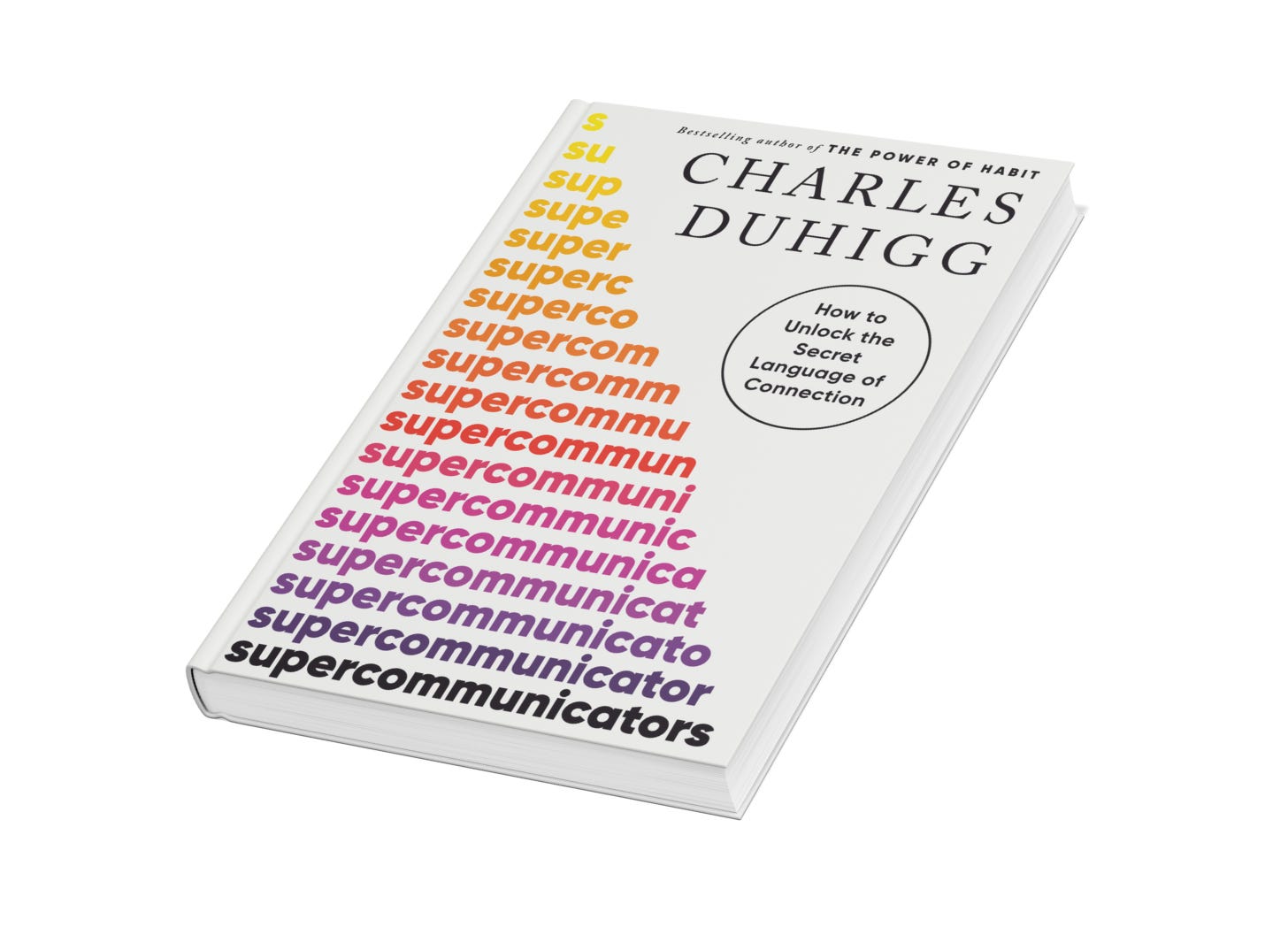
“… Our social identities push us unthinkingly to see people like us, what psychologists call our in-group, as more virtuous and intelligent, while those who are different, the out-group, as suspicious, unethical, and possibly threatening. Social identities help us relate to others, but they can also perpetuate stereotypes and prejudice...”
Why do we so quickly decide who belongs to us and who does not?
And why does the brain, built for connection, use shortcuts that divide?
At first glance, Duhigg’s idea sounds familiar. We know that humans tend to group themselves. But this is not only about culture or politics.
