The 3 Levels of Empathy
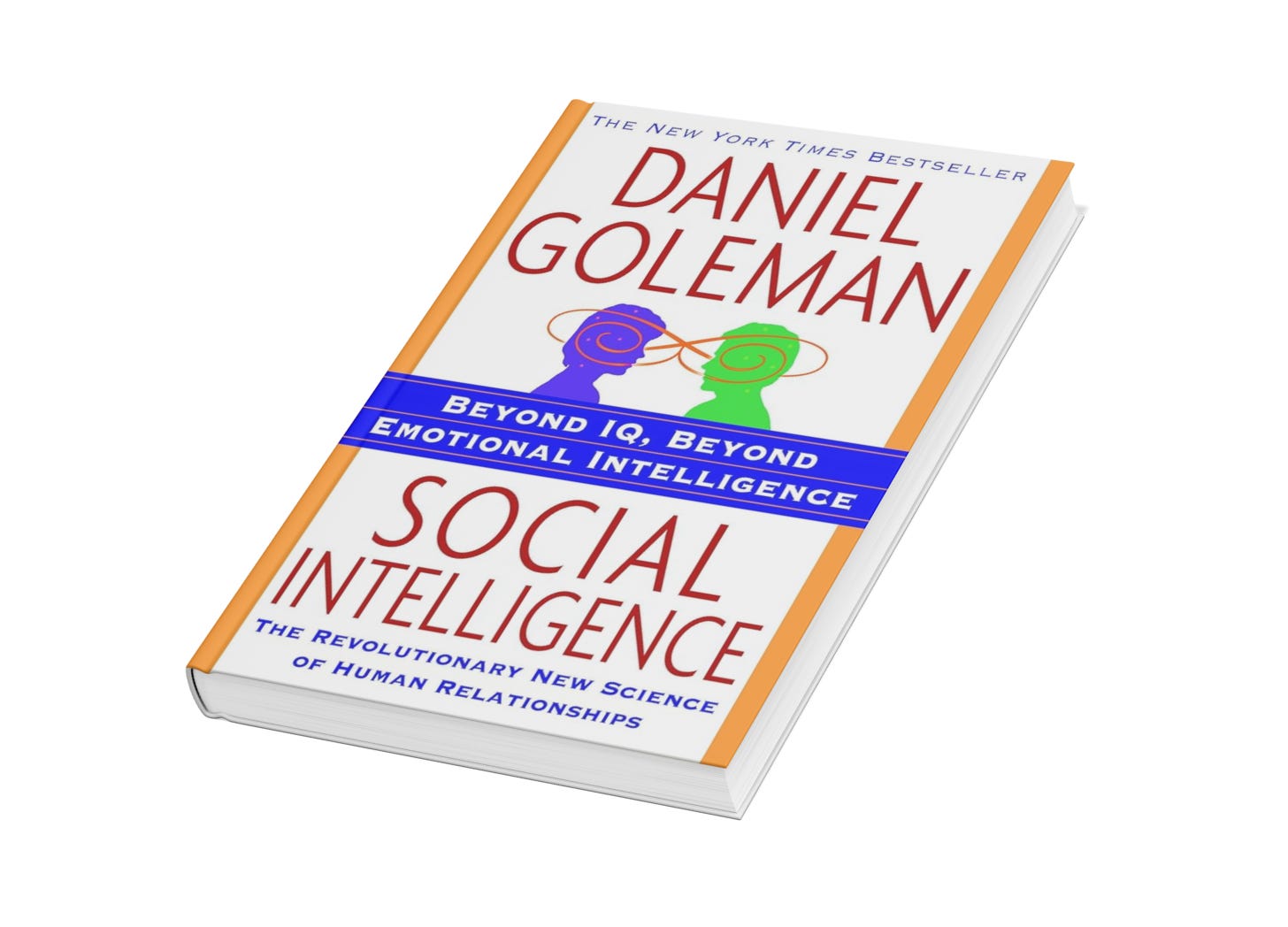
A reflection from Social Intelligence by Daniel Goleman
Hej! It’s William!
This is part of the "Meller Highlights" series with reflections and learnings from my personal book highlights. As mentioned here, this series is now something I’m keeping special for the people who support this channel as paid subscribers.
If you’ve been following along and enjoying the ideas I share, I’d love to have you join them. Becoming a subscriber not only gives you full access, but it also helps me keep creating and going deeper with the work I do.
How do these highlights work? Every day I pick one idea from my reading and think about how to apply it in real life. Most stay as private notes, but once a week, I choose one that feels special.
That’s the one I share here, a highlight that turns into a deeper reflection on how it can change the way we do something.
Today’s highlight: Social Intelligence by Daniel Goleman
“In today’s psychology, the word ‘empathy’ is used in three distinct senses: knowing another person’s feelings; feeling what that person feels; and responding compassionately to another’s distress. These three varieties of empathy seem to describe a 1-2-3 sequence: I notice you, I feel with you, and so I act to help you.”
Let’s reflect on that…
Most people think empathy is just about being kind or understanding emotions.
But Goleman breaks it down in a way that makes it feel more real, more practical, especially when we’re talking about work and relationships.
Let me walk you through how I’ve been thinking about it.
The first level is simple: you notice. You actually see the person in front of you. You’re not lost in your own head. You’re not brushing past what’s going on. You pay attention. You catch the signals. That alone already makes a difference. Just noticing someone’s state — stressed, tired, quiet, frustrated, is rare these days. We’re often too busy reacting or rushing to the next thing.
The second level goes deeper: You don’t just notice; you feel it. Maybe not exactly the same, but close enough to connect. You remember how it feels to be anxious before a meeting, to get ignored in a group, to carry invisible stress while still smiling at your desk.
And the third level is where it gets meaningful: You do something. Not a big speech. Not a grand gesture. Maybe just asking, “Want to take a walk?” or giving someone space or covering a task without making it a thing. That’s what compassionate action looks like. Small, but real.
Now think about this at work… Imagine a manager who doesn’t just track performance but pays attention to people. Who notices when someone is off? Who understands why a sharp reply might have come from stress, not rudeness? Who offers help without turning it into a performance?
And outside of work, it’s just as real. In a relationship. With a friend. Even with a stranger. This kind of empathy makes things smoother, warmer, safer. It creates the kind of space people want to stay in.
But here’s the part I’ve been thinking about more: empathy is a skill, and skills can be practiced.
You can practice noticing. You can pause instead of reacting. You can pay attention to tone, eyes, and silence.
You can practice staying with someone emotionally instead of trying to fix them right away. And you can practice acting on what you feel without overthinking it.
Social intelligence is about choosing, again and again, to treat people like they matter.
That starts with empathy. Not vague kindness, but this very real 1-2-3 way of noticing, feeling, and acting.
Have you ever had someone do that for you? Notice something without you saying it, feel what you were going through, and do something small that made a big difference? Or have you done it for someone lately?
This is your daily tip, inspired by one of my highlights from Social Intelligence by Daniel Goleman.
If reflections like this help you grow, connect, and lead better, subscribe to Meller Notes. One small practice at a time, we build better lives.


I really loved this post—I'd never thought about empathy in terms of three levels before, but it makes so much sense. Do you think it's possible to feel too much empathy? As I’ve gotten older, I’ve noticed I have to be more selective about the news or movies I consume. Sometimes they affect me so deeply that I can’t stop thinking about them, even when I know they’re fictional. And unfortunately, most news these days tends to be negative. Maybe I'm just becoming more sensitive...