
How Living by Your Principles Shapes the Kind of Work People Trust
A reflection from StandOut 2.0 by Marcus Buckingham
Hej! It’s William!
This is part of the "Meller Highlights" series with reflections and learnings from my personal book highlights. I read a lot of books, and as a way of giving more value to my paid subscribers, I now share great book lessons specially for them.
If you’ve been following along and enjoying the ideas I share, I’d love to have you join them. Becoming a premium subscriber not only gives you full access, but it also helps me keep creating and going deeper with the work I do.
How do these highlights work?
Every day, I pick one idea from my reading and think about how to apply it in real life. Most stay as private notes, but once a week, I choose one that feels special.
That’s the one I share here, a highlight that turns into a deeper reflection on how it can change the way we do something.
Today’s highlight: StandOut 2.0 by Marcus Buckingham
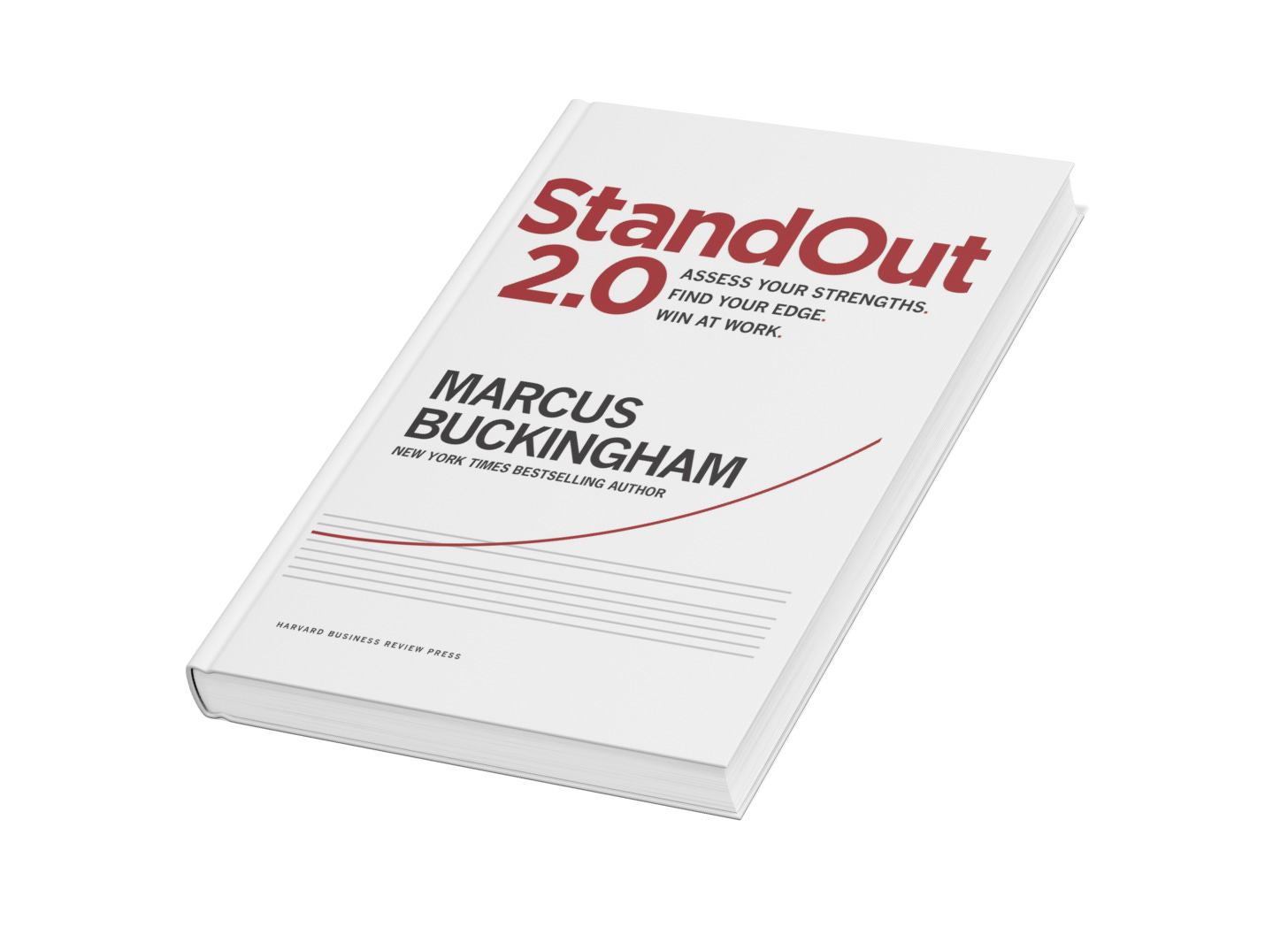
“In a world that is too busy to really care about you and your strengths, the responsibility falls to you to apply your strengths consciously every day.”
This one feels quiet at first, but it’s one of those lines that grows heavier the more you sit with it.
We all want to be seen. To be understood. To work in a place that recognizes what we bring. That longing is human. Yet the truth is, recognition rarely just happens. People are busy. Systems are messy. Life moves fast, and most people are too consumed with their own demands to stop and affirm yours.
If you wait for someone else to protect your values, you may be waiting forever.
That is why this reflection matters so much. If you do not hold on to what is central for you—your values, your strengths, your way of doing good work—no one else will step in and do it for you.
Your principles must be guarded by you, because the moment you let them slip, the world will quickly show you how easy it is to live without them.
Think about how subtle the pressure can be.
Maybe you value doing work with care, giving things the thought they deserve. But your environment rewards speed and volume. You see the dashboards, the metrics, the applause given to those who finish first. You feel the pull to change, to rush, to match the pace, even if it cuts into the quality you believe good work should have.
Or maybe you believe in honest feedback, but the room around you values politeness over truth. You feel the weight to soften, to stay quiet, to make your words more acceptable. And the more often you give in, the less you recognize your own voice later.
This is why living by your values is not a decision you make once and then forget. It is a decision you remake every day. In small interactions. In moments where nobody else notices. Especially when it is inconvenient.
The real test of your principles is not when everything aligns neatly, but when everything pushes against them.
There is no scoreboard for this. The world will not always tell you when you are getting it right. In fact, you may even be criticized for it. But inside, you will feel it. There is a quiet steadiness that comes when you act from a place that is solid, not reactive, not for display. The pressure around you may still be there, but it no longer shakes you the same way. That is the difference between drifting with the current and planting your feet on the ground.
And this is where strength shows itself. Not in being loud. Not in being stubborn for its own sake. But, in being clear.
Be clear about who you are, what you stand for, and what kind of work you want to put into the world. Even when it would be easier to bend, to compromise, to adapt a little too much until you can no longer remember where you started.
The irony is that once you begin showing up with that clarity, some people will notice. Not everyone. Not even most. But the right ones will.
They will trust you more, not because you agree with everything, but because you are consistent. You are someone they can count on to stand for something, even under pressure. And that is rare.
But let’s not pretend it is easy. Living your values costs something. Sometimes it costs recognition, sometimes comfort, sometimes opportunity.
The question is whether you are willing to pay that cost rather than live with the deeper cost of losing yourself.
History is full of people who chose the harder road and paid dearly for it, but their clarity became the anchor for others. And it works the same on a smaller scale, in workplaces, in teams, in families.
People sense when someone is grounded. It becomes a point of orientation.
So ask yourself: What are the values you are unwilling to trade, no matter the environment? Where do you draw the line between adapting wisely and surrendering who you are?
These questions are uncomfortable because they force you to confront how often you compromise without noticing. But that discomfort is a gift. It is the reminder that your principles live only if you live them.
If you feel pressure today to change how you work or who you are just to fit in or move faster, pause.
Look at the cost. Look at the trade. And then ask: Will I still recognize myself after this? And if you have had a moment where you chose to stay true to your principles instead, remember how it felt.
That feeling is your proof.
That is the weight that grows heavier with time, not because it crushes you, but because it shapes you.
This is part of the "Meller Highlights" series with reflections from my personal book highlights.


